

For a full overview of the standard update, read our dedicated article here. The SA TS 5398:2025 key updates for modular battery compliance build on concepts introduced under the Battery Best Practice Guide (BPG), but it introduces more structured requirements that directly affect how battery equipment compliance is assessed, particularly for modular and stackable battery […]
Category: News
NSW Peak Demand Reduction Scheme: Essential Guide for Battery Installers

The New South Wales (NSW) Department of Climate Change, Energy Efficiency and Water (DCCEEW) [pronounced D’Queue by department personnel] introduced the Peak Demand Reduction Scheme (PDRS) in 2022. This scheme, which is administered by the NSW Independent Pricing and Regulatory Tribunal (IPART), uses a market-based mechanism to incentivise the installation and usage of energy efficiency […]
New Accreditation Administrator Announced – Everything we know about Solar Accreditation Australia

The Clean Energy Regulator has just announced Solar Accreditation Australia (SAA) as the new installer and designer accreditation administrator! This means that the CEC is no longer the accreditation scheme operator, and the SAA accreditation scheme is now in effect. SAA is an independent, not-for-profit organisation founded by the Smart Energy Council and Masters Electricians […]
Free solar course! Solar Awareness for Tradespeople
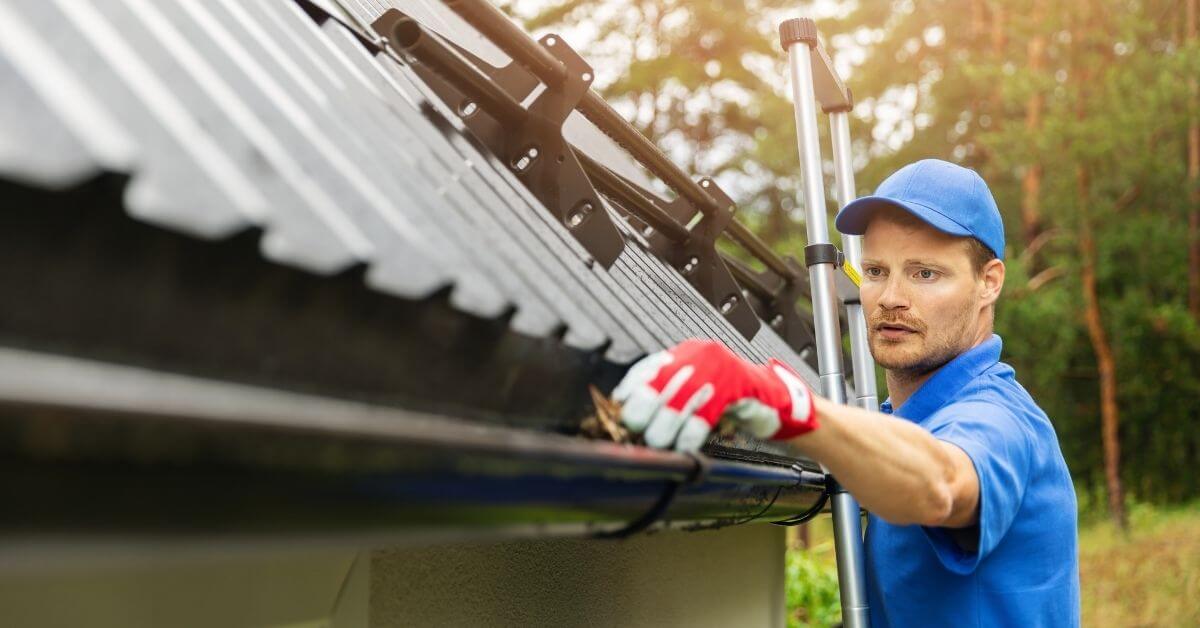
New South Wales Tradie Safety Week is August 23rd-27th 2021! To celebrate, we are announcing our free solar course for tradies! Solar Awareness for Tradespeople focuses on working safely near solar PV systems. With so many homes and business across Australia with solar, every tradesperson will encounter a system. Even if the worker is not […]
CEC Accreditation: How to launch your solar career

The Growing Potential of Stand-Alone Power Systems
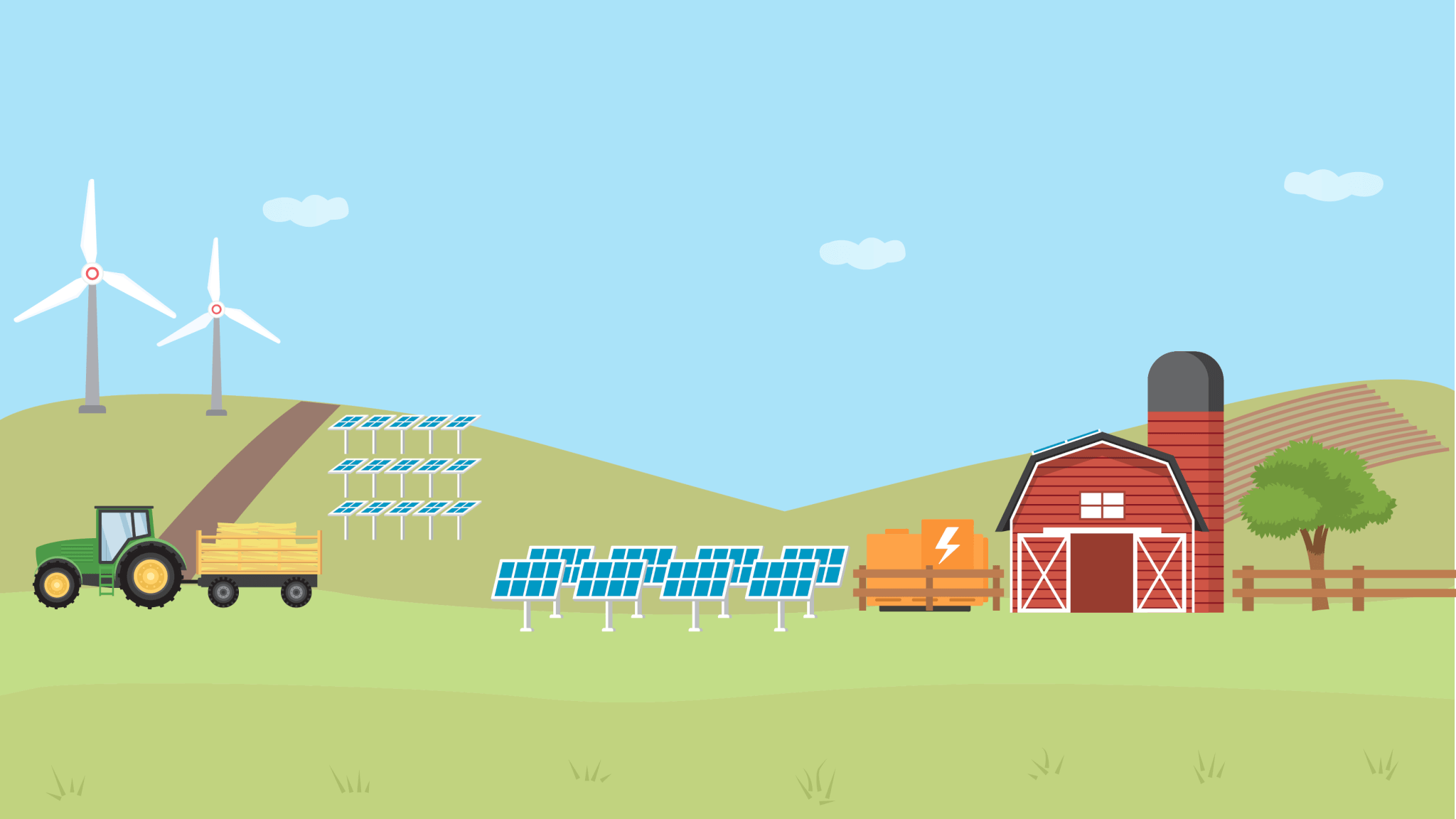
Stand-Alone Power Systems (SAPS) have been an alternative and a solution for many decades to power devices, telecommunications, buildings and communities that experience practical or financial barriers to grid electrification, be it in rural areas or in developing countries. SAPS have been used to provide small scale portable lighting, water pumping, and power for general […]
Wiring Rules AS NZS 3000:2018 – Key Updates to the Standard and What They Mean for Installers
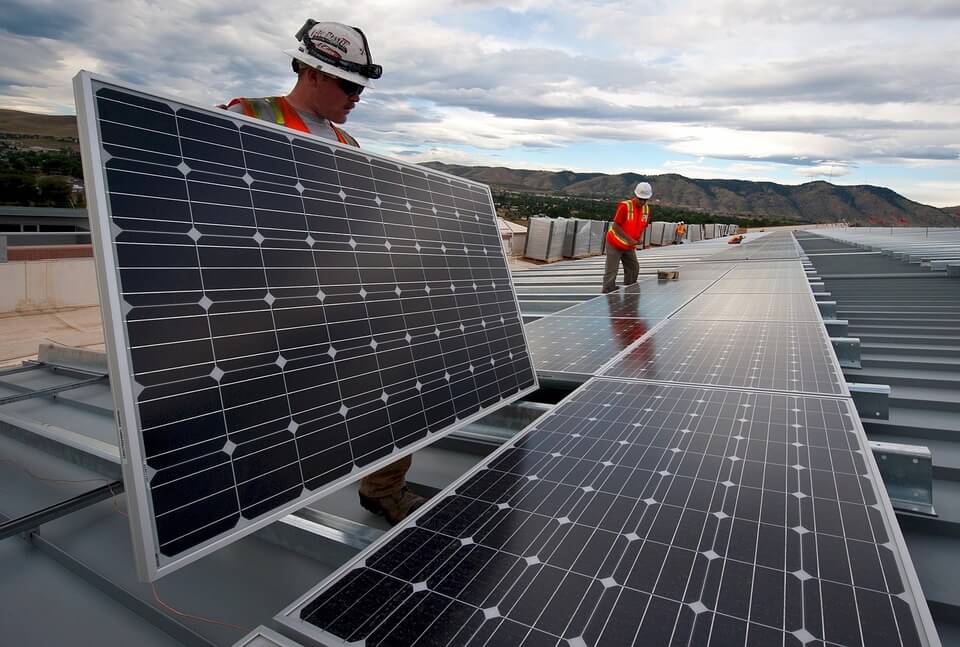
The latest version of the Australian and New Zealand Standard: Electrical Installations “Wiring Rules” (AS/NZS 3000:2018) has now been published, and will supersede AS/NZS 3000:2007. Updates to the Standard have been made to reflect new technologies, equipment, and installation techniques. This article explores some of the most significant changes presented in the standard, and how […]
Those who can, do…and they should also teach
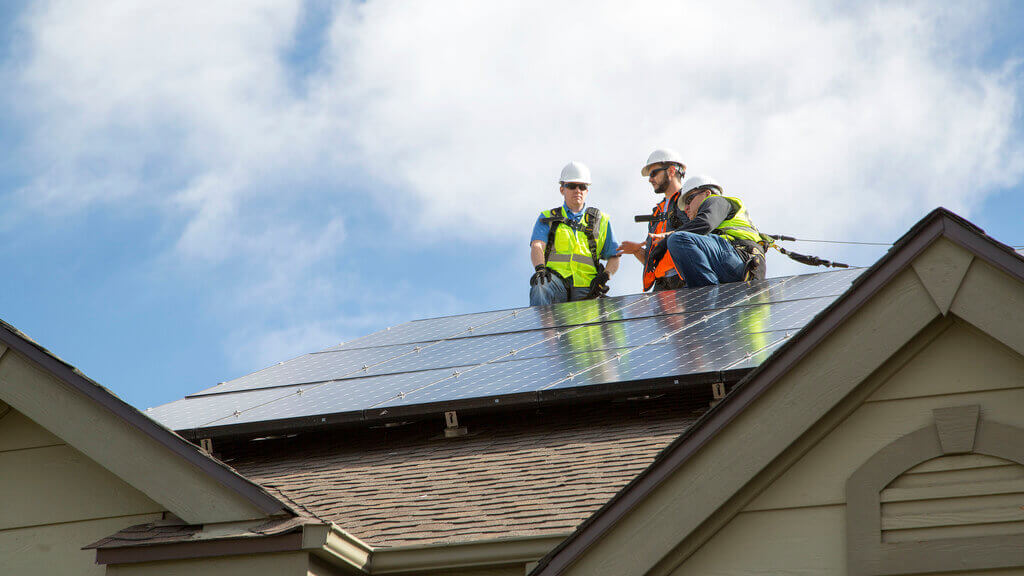
George Bernard Shaw wrote “Those who can, do. Those who can’t, teach” in his 1903 play “Man and Superman”. This quote has been widely used to disparage teachers and, in addition to the quote being broad-brushed and obtuse, it also implies that the two are mutually exclusive. GSES has two core offerings; Training and Consulting. […]
Getting down to earth: Earthing explained
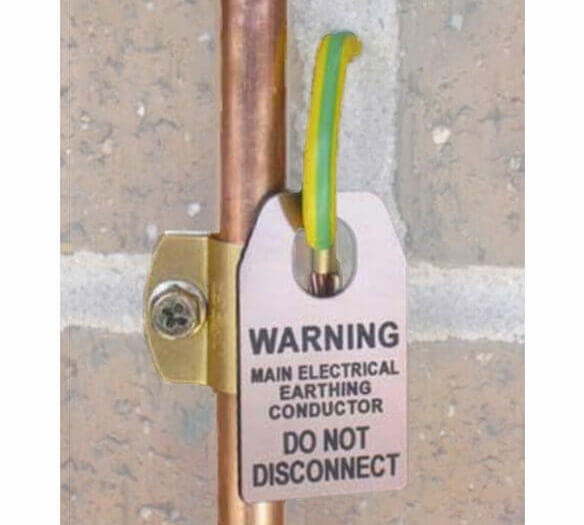
In an electrical network, an earthing system is a safety measure which protects human life and electrical equipment. As earthing systems differ from country to country, it is important to have a good understanding of the different types of earthing systems as the global PV installed capacity continues to increase. This article aims at exploring […]
AS/NZS 5033 amendment drafts out for comments: What are the changes?
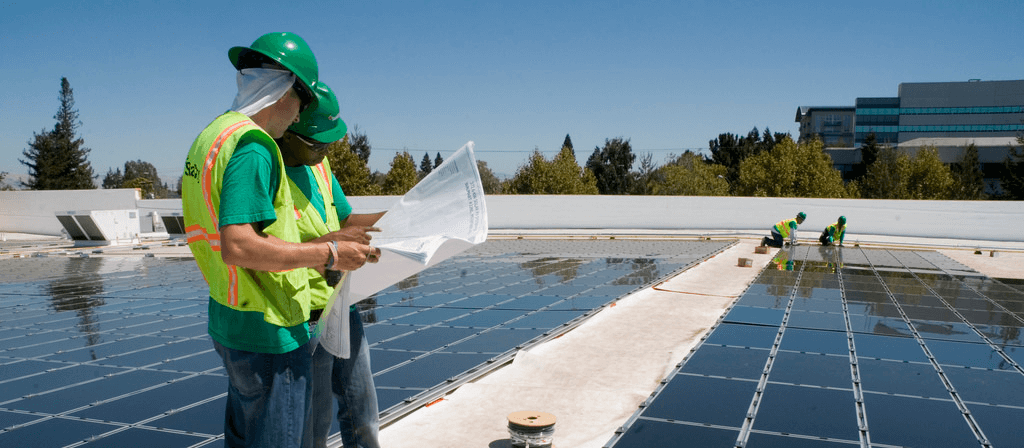
The draft of amendments to AS/NZS 5033:2014 Installation and safety requirements for photovoltaic (PV) arrays was released for public comment in early February 2018. The comments period will close on 15th March 2018. The draft amendment 1:2018 and draft amendment 2:2018 are available for download free of charge from SAI Global. Standards updates and amendments […]